When ports slow down, supply chains feel it far beyond the quay.
Port congestion is often described as a temporary operational problem. In African logistics, it is rarely temporary—and almost never purely operational. Congestion at ports has become one of the most persistent pressure points in African supply chains, shaping costs, reliability, and trade competitiveness.
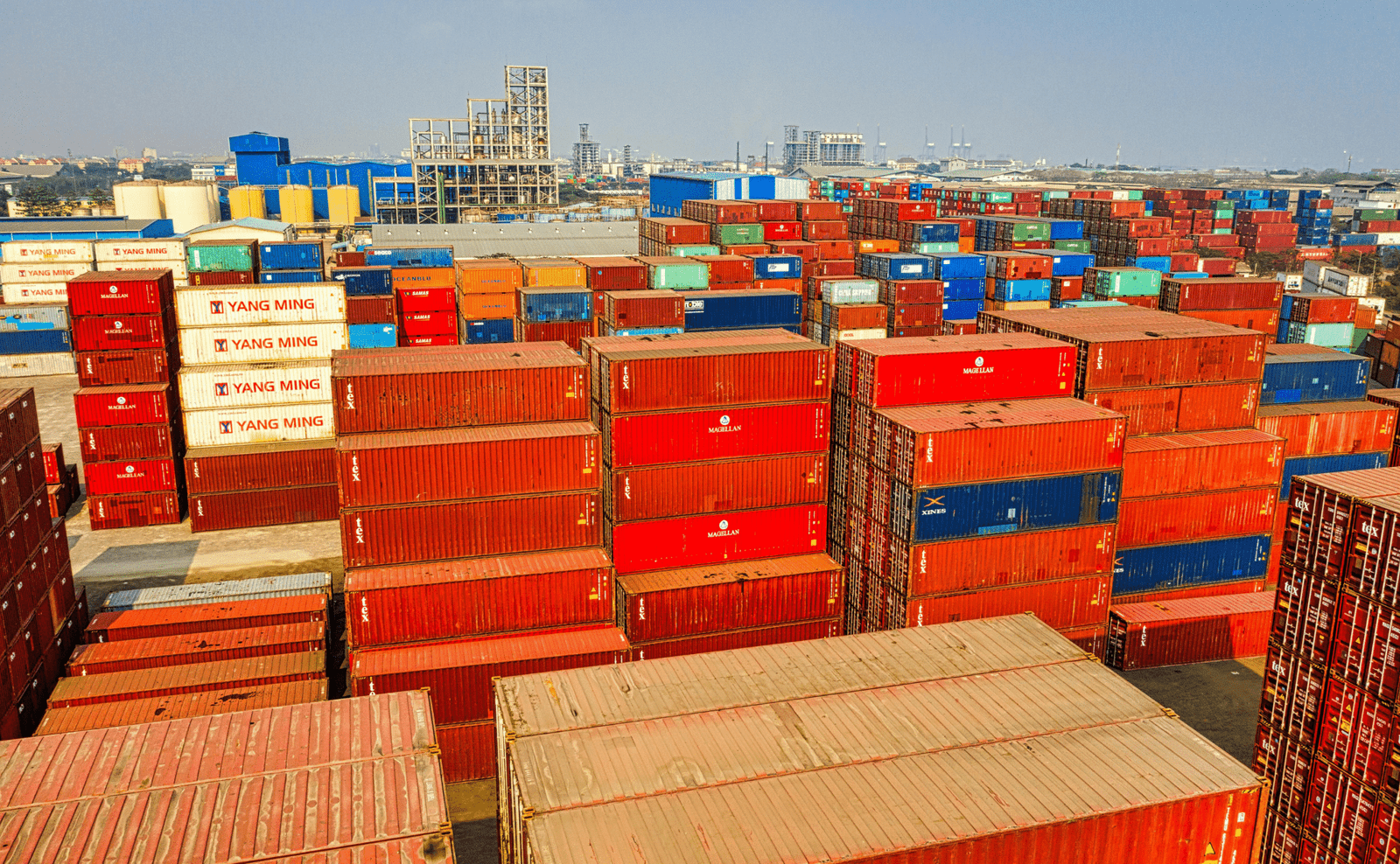
While congestion is visible through queues of vessels and stacked containers, its origins and consequences run much deeper into the logistics ecosystem.
Understanding Congestion Beyond the Terminal
At first glance, port congestion appears to be a capacity issue: too many vessels, not enough space. In reality, congestion is usually the result of misalignment across the supply chain, not a single bottleneck.
Ports sit at the intersection of shipping lines, customs, inland transport, warehouses, and final consignees. When one element fails to move at the required pace, pressure builds rapidly at the terminal.
Congestion, in this sense, is not an isolated event — it is a system-wide symptom.
Structural Causes of Congestion in Africa
Several recurring factors contribute to congestion across African ports:
- Limited yard capacity and equipment availability
- Slow cargo evacuation due to inland transport constraints
- Customs clearance delays and documentation gaps
- High reliance on manual or semi-digital processes
- Mismatch between vessel arrival peaks and port productivity
These challenges are often compounded by external shocks such as weather events, labor disruptions, or sudden surges in cargo volume.
The Cost of Congestion for Supply Chains
The immediate consequences of port congestion are well known: vessel delays, longer dwell times, and rising demurrage and detention charges. However, the broader impact is often underestimated.
Congestion disrupts:
- production planning and inventory availability,
- distribution schedules and customer commitments,
- transport asset utilization,
- and overall supply chain predictability.
Over time, these disruptions erode trust between stakeholders and weaken the competitiveness of trade corridors.
Why Congestion Is Hard to Manage
Congestion persists not because solutions are unknown, but because responsibility is fragmented. Ports may improve infrastructure, but inland evacuation remains constrained. Customs may accelerate procedures, but documentation arrives late. Shipping lines adjust schedules, but cargo readiness lags behind.
Without coordination across the full logistics chain, congestion management becomes reactive rather than preventive.
Moving from Reaction to Management
Effective congestion management requires a shift in perspective. Instead of treating congestion as a terminal problem, it must be approached as a supply chain coordination challenge.
This includes:
- better alignment between port operations and inland logistics,
- earlier customs preparation and data accuracy,
- realistic planning of vessel arrival patterns,
- and shared visibility across stakeholders.
Congestion cannot be eliminated entirely, but it can be anticipated and mitigated.
Looking Ahead
As African trade volumes continue to grow, port congestion will remain a defining issue for logistics performance. The difference will lie in how ports and supply chain actors respond.
Those who invest in coordination, transparency, and realistic planning will reduce exposure. Those who rely solely on capacity expansion will continue to fight symptoms rather than causes.
In African logistics, congestion is not just a port problem — it is a supply chain reality.
SupplyChainAfrika.com
Where African logistics challenges meet strategic analysis.