With rising throughput and major expansion underway, Pointe-Noire is serving not just the Republic of Congo, but the wider Central and West African trade ecosystem.
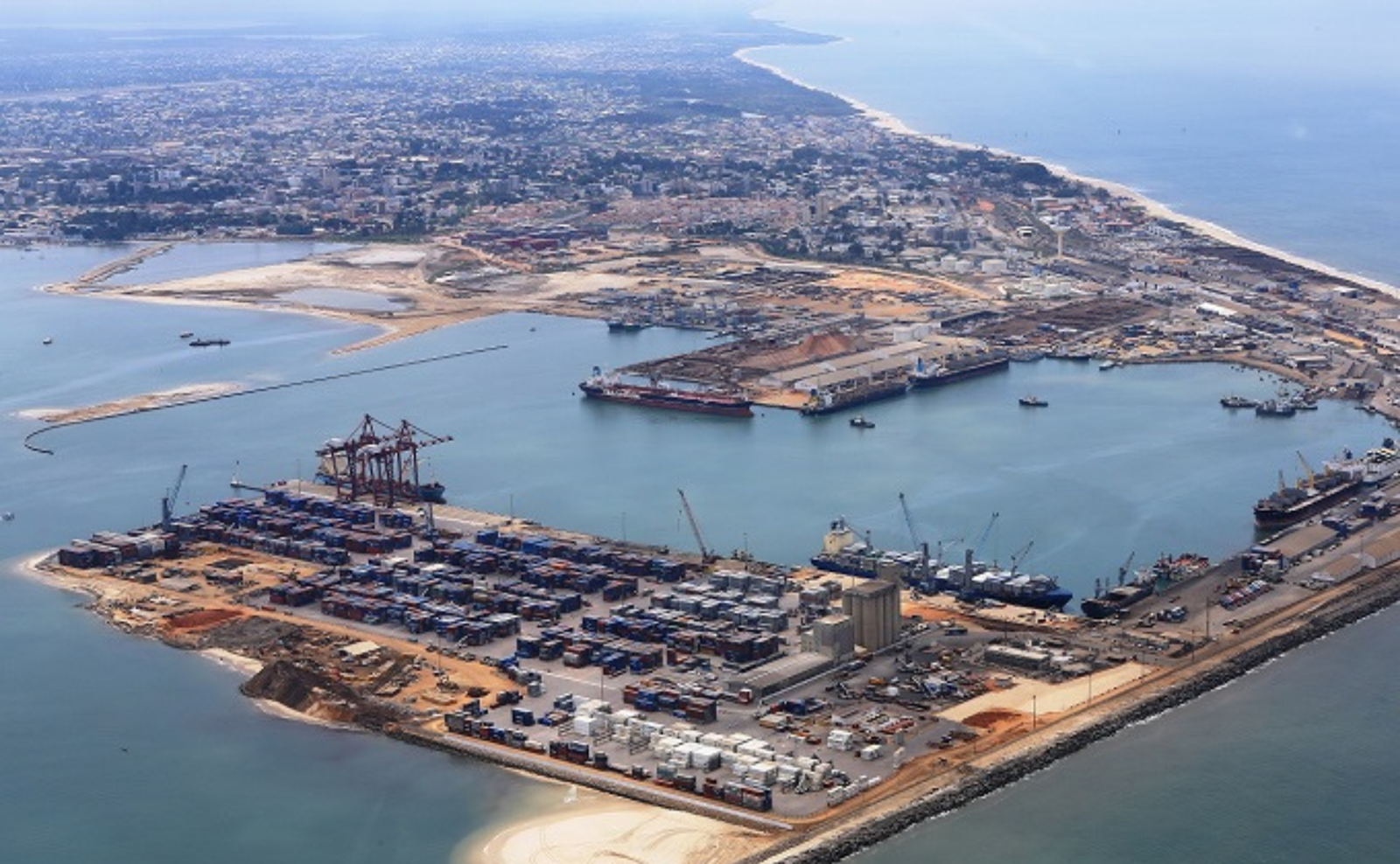
The Port of Pointe-Noire, located on the Atlantic coast of the Republic of the Congo, has emerged as one of Central Africa’s most strategic maritime gateways, handling growing volumes of containerized and break-bulk cargo and anchoring regional logistics flows.
The port is managed by the Port Autonome de Pointe-Noire (PAPN), an autonomous public entity that oversees operations and development. Its deep-water access (around -16 m draft) allows it to receive large vessels, making it unique in its sub-region.
Strong Throughput Growth
In recent years, the port has crossed key performance milestones:
- Over 1.2 million TEUs were handled in 2025, marking a historic high and reflecting sustained growth in container traffic.
- Annual throughput has increased roughly sixfold since the early 2010s, thanks in part to major investments in infrastructure and equipment.
The container terminal, operated under concession by Congo Terminal (majority-owned by Bolloré Ports with partner APM Terminals), has been a focal point for expansion and modernization.
Expansion Projects and Capacity Boost
Significant investments are underway to further elevate the port’s capabilities:
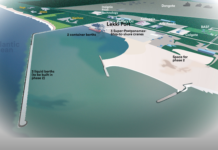
- A major expansion plan including a new 750-meter quay and deeper basin (-17 m) is expected to double annual capacity to over ~2.3 million TEUs by around 2027.
- Financing arrangements involving local and international banks have enabled the development of the Môle Est platform, enhancing container handling and berth capacity.
These upgrades will allow Pointe-Noire to accommodate larger vessels and increase its appeal as a regional transshipment hub.
Regional Reach and Economic Importance
Pointe-Noire’s importance extends well beyond Congo’s borders:
- The port provides maritime access for the Congo Basin’s estimated ~100 million inhabitants, connecting hinterlands via sea, road, and the historic Congo-Ocean Railway to inland markets.
- It supports trade flows not only for the Republic of Congo but also for neighboring countries, including Angola, Gabon, and parts of Central Africa, especially where deep-water access and transshipment options are limited.
- The port handles a diverse range of cargoes—from containers and bulk goods to petroleum products—helping integrate regional commodity flows into global supply chains.
Pointe-Noire has also been recognized regionally for its transit performance, receiving industry awards for its role in enhancing sub-regional connectivity.
Strategic Position on the West African Coast
Geographically, Pointe-Noire sits on key maritime routes between Europe, the Americas, and Africa’s West and Central coasts. Its deep-water access, modernized container terminals, and multimodal connections position it as a competitive alternative to other Gulf of Guinea ports.
With expansion plans progressing and throughput levels rising, the Port of Pointe-Noire is poised to become an even more critical logistics hub—not just for the Republic of Congo, but for Central African trade corridors and regional supply chains.