

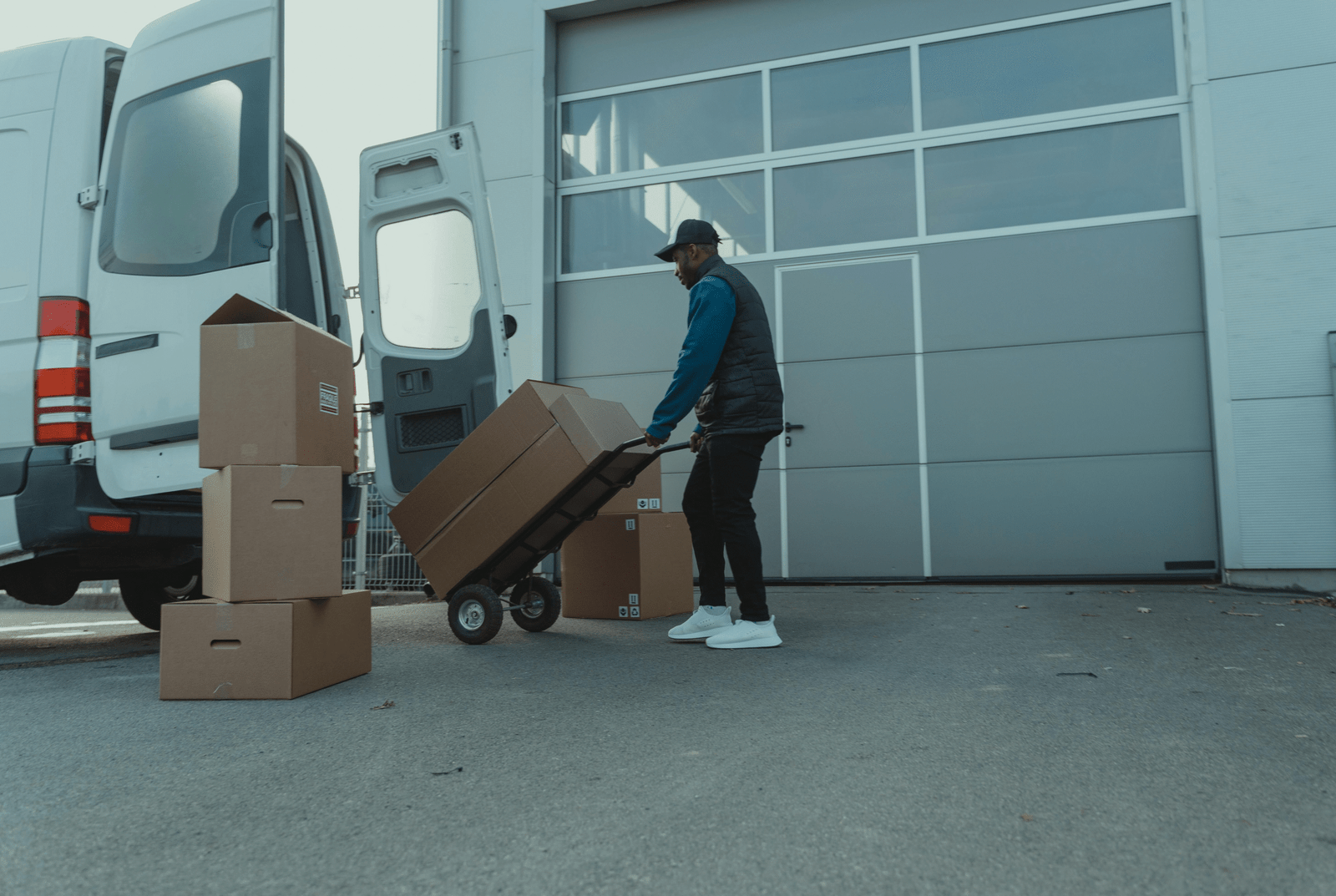
From ports to customers, the final kilometers expose the real limits of African supply chains.
Ports may handle millions of tons of cargo, and shipping lines may connect Africa to global trade routes, but for many supply chains on the continent, the most difficult journey begins after the container leaves the terminal.
Last-mile logistics—the movement of goods from distribution points to final destinations—remains the most complex, costly, and unpredictable segment of African supply chains. It is where planning meets reality and where efficiency often breaks down.
Where Supply Chains Lose Control
In theory, last-mile delivery is a straightforward extension of transport. In practice, it is shaped by fragmented infrastructure, informal addressing systems, traffic congestion, and inconsistent service levels.
Unlike upstream logistics, last-mile operations must deal with:
- unclear or non-standard delivery addresses,
- dense urban congestion or remote rural access,
- fragmented fleets and informal operators,
- and high expectations for speed and reliability.
The result is a segment of the supply chain where visibility drops and execution risk rises.
Cities Growing Faster Than Logistics Systems
Africa’s cities are expanding at a pace that logistics systems struggle to match. Urban sprawl, mixed land use, and limited zoning make route planning increasingly complex. Delivery vehicles often compete with daily traffic, street vendors, and infrastructure constraints that were never designed for modern logistics flows.
In rural and peri-urban areas, the challenge shifts again: long distances, poor road conditions, and low delivery density increase costs while reducing service reliability.
The Cost Problem No One Likes to Measure
Last-mile logistics is often the least optimized and most expensive part of the supply chain. Failed deliveries, rerouting, manual coordination, and cash-based transactions quietly erode margins.
For many companies, these costs remain hidden—absorbed through delays, customer dissatisfaction, or operational inefficiencies rather than clearly measured line items.
This is why last-mile performance frequently determines whether a supply chain is profitable or merely operational.
Technology Helps, But Does Not Solve Everything
Digital tools—route optimization, mobile tracking, and delivery apps are increasingly present across African markets. While they improve coordination, technology alone cannot compensate for structural constraints such as infrastructure gaps, regulatory inconsistency, or limited professionalization of delivery networks.
Successful last-mile strategies combine technology with local knowledge, flexible operating models, and realistic service promises.
Why Last Mile Is a Strategic Issue
As e-commerce, retail distribution, healthcare supply chains, and FMCG networks expand across Africa, last-mile logistics moves from an operational challenge to a strategic differentiator.
Companies that master last-mile execution gain customer trust, market reach, and competitive advantage. Those that do not often discover that the strongest supply chain upstream cannot compensate for weak delivery at the end.
Looking Ahead
In Africa, the last mile is not simply the final step of the supply chain—it is the ultimate test of its design.
As trade volumes grow and customer expectations rise, supply chain resilience will increasingly be judged not at the port or warehouse, but at the moment of delivery.
SupplyChainAfrika.com
Insight into African logistics where theory meets reality