Rarely planned, poorly understood, and quietly expensive, demurrage and detention continue to erode supply chain performance across Africa.
In African logistics, some of the most damaging costs are not found on freight invoices or transport contracts. They appear later, often unexpectedly, and are usually treated as unavoidable. Demurrage and detention fall squarely into this category — silent costs that accumulate at the margins but weigh heavily on supply chain performance.
For many importers and logistics operators, these charges are accepted as part of doing business. Yet their impact on cost, reliability, and competitiveness is far greater than commonly acknowledged.
Understanding the Mechanics
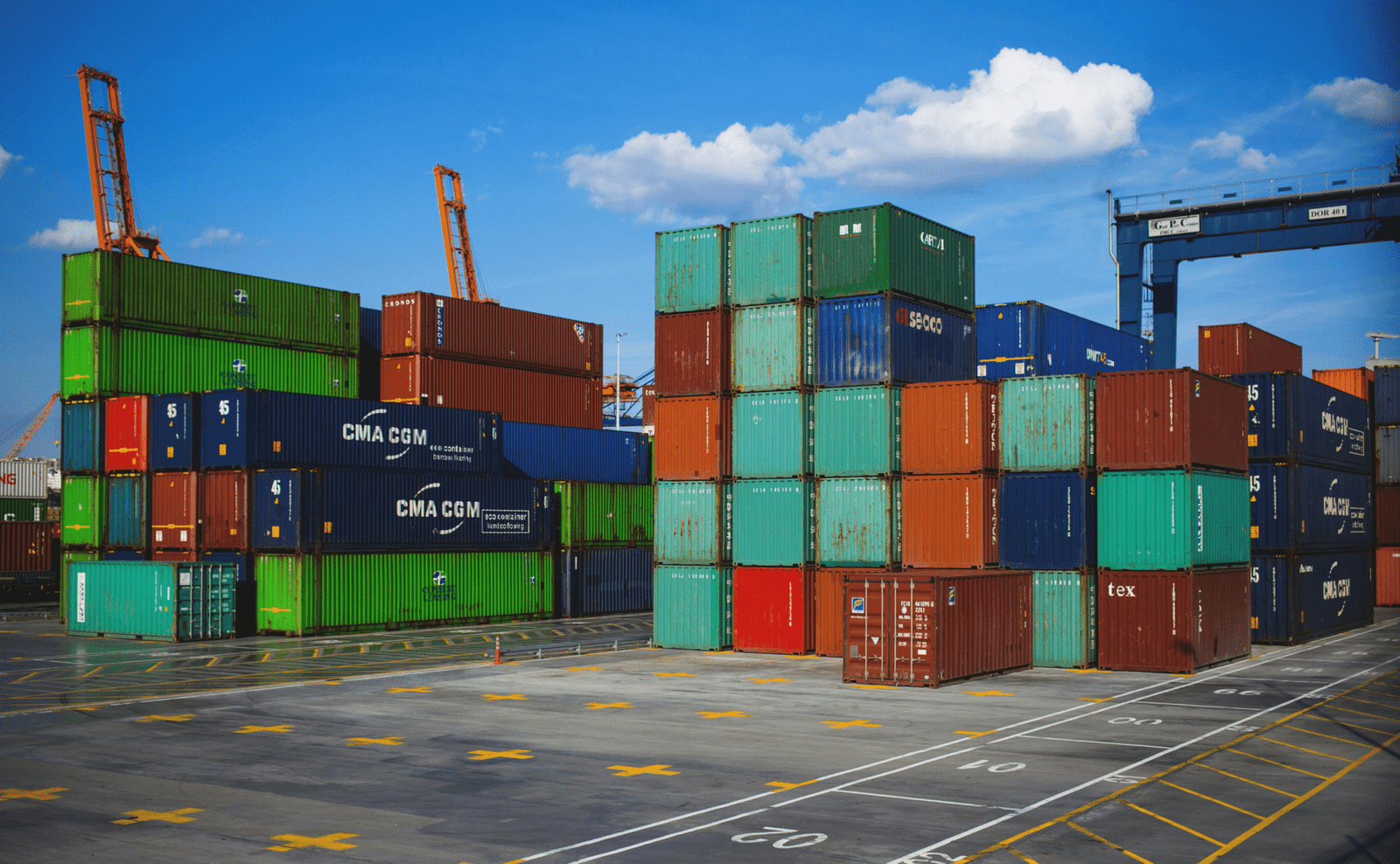
Demurrage and detention are designed to encourage fluidity in container circulation. Demurrage applies when containers stay too long at the port or terminal. Detention applies when containers are held outside the terminal beyond the free time granted by the shipping line.
In theory, these charges are simple. In practice, they collide with African operational realities:
- port congestion and slow cargo release,
- customs clearance delays,
- limited inland transport capacity,
- warehouse unavailability or poor coordination.
The result is a cost triggered not by inefficiency alone, but by systemic friction.
Why Africa Is More Exposed
African supply chains face structural constraints that make demurrage and detention particularly difficult to control. Limited port productivity, heavy reliance on manual processes, and fragmented coordination between port, customs, transporters, and consignees create bottlenecks that are often outside the importer’s direct control.
For landlocked countries and feeder-dependent markets, transit times are longer and margins for delay narrower. Each additional day compounds risk — and cost.
The Financial Impact No One Budgets For
Unlike freight rates or duties, demurrage and detention are rarely budgeted accurately. They are often treated as “exceptions” rather than recurring risks.
Yet over time, these charges can:
- distort landed cost calculations,
- reduce margin visibility,
- strain relationships with customers and partners,
- and undermine supply chain reliability.
Because they are reactive rather than planned, they are also harder to explain internally — and harder to eliminate.
A Coordination Problem, Not Just a Port Issue
Demurrage and detention are often blamed on ports or shipping lines. In reality, they are coordination failures across the supply chain.
Delays in document transmission, misalignment between clearance and transport readiness, lack of real-time visibility, and poor handovers between stakeholders all contribute to lost time. Each hour of delay increases exposure to charges that were never designed for complex, low-margin environments.
From Unavoidable Cost to Managed Risk
Some operators are beginning to treat demurrage and detention differently — not as penalties, but as risk variables that can be measured, anticipated, and reduced.
This requires:
- earlier customs preparation,
- tighter coordination between clearance and trucking,
- clearer accountability across partners,
- and realistic buffer planning rather than optimistic assumptions.
The objective is not zero cost — but predictability and control.
Looking Ahead
As African trade volumes grow and container flows intensify, demurrage and detention will not disappear. If anything, their impact will increase.
The difference will be made by those who stop treating these charges as background noise and start managing them as a core supply chain metric. In African logistics, what is not measured is quietly paid for.
SupplyChainAfrika.com
Exposing the real costs behind African supply chains.