Morocco’s flagship port continues its rapid ascent as a regional hub, reshaping supply chain dynamics across Africa and beyond.
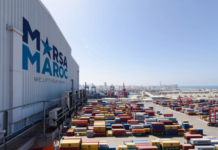
In a year marked by global shipping volatility, expanding trade volumes, and supply chain pressures, Tanger Med port delivered a standout performance: handling more than 11.1 million twenty-foot equivalent units (TEUs) in 2025 — an 8.4 % increase over the previous year. This achievement reinforces Tanger Med’s status as one of Africa’s most significant maritime gateways, with ripple effects that extend across the continent’s trade and logistics ecosystems.
Numbers That Matter
The Tanger Med Port Authority (TMPA) released detailed 2025 figures that highlight robust and diversified growth across several cargo categories:
- 11,106,164 TEUs of containerized cargo — up 8.4 % year-on-year
- 161 million tonnes of total cargo handled — a 13.3 % increase
- 535,203 TIR truck movements — indicating strong inland freight flows
- 3,220,422 passengers and 895,341 vehicles — showing return to mobility growth post-pandemic
- 1,319 mega-ship calls — an 8.4 % increase, demonstrating capacity to service larger vessels
These figures mark Tanger Med’s strongest performance yet, confirming its strategic relevance not just for Morocco, but for African supply chains operating at scale.
A Hub Beyond Morocco
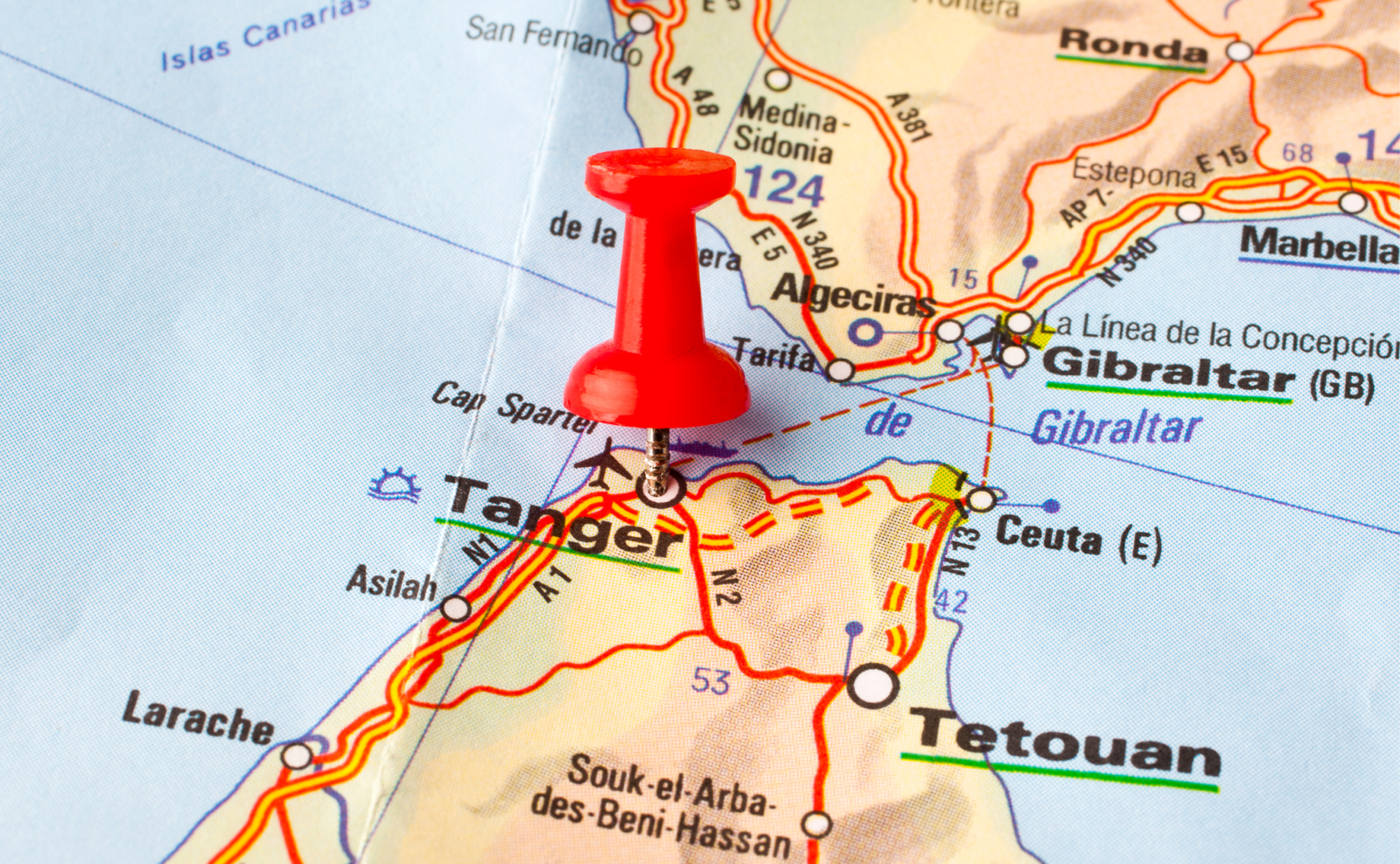
While Tanger Med is geographically located in northern Morocco, its operational influence spans multiple regions:
Gateway for North and West Africa
Ports like Dakar (Senegal), Abidjan (Côte d’Ivoire), and Lagos (Nigeria) are increasingly connected via feeder services with Tanger Med, offering:
- Faster transshipment options
- Reduced lead times for imports from Asia and Europe
- New routing choices for exporters from West Africa
For many West African importers, routing cargo via Tanger Med — instead of traditional hubs — can mean improved schedule reliability and cost predictability.
Strategic Node for East African Linkages
Although geographically distant, the frequent services and connections at Tanger Med allow logistic planners in Eastern Africa (e.g., Kenya, Tanzania, Ethiopia) to consider alternative routing, especially for time-sensitive shipments moving northbound toward Europe and the Mediterranean.
Industrial and Intra-African Trade Potential
Tanger Med’s growth also aligns with the African Continental Free Trade Area (AfCFTA) vision. By boosting connectivity and throughput, the port supports:
- Regional value chains (e.g., automotive, textiles, agribusiness)
- Cross-border manufacturing collaborations
- Logistics platforms that integrate sea, road, and rail movements
What Drives the Growth?
1- Terminal Expansion
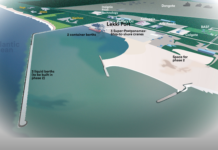
The successful operation and extension of the TC4 terminal — a deep-water container platform — has increased capacity and efficiency. This expansion allows Tanger Med to handle larger vessels and higher TEU volumes without proportionate increases in dwell time.
2- Port-Centric Logistics
Integration with TIR road corridors and growing inland freight movements show that Tanger Med is not just a maritime gateway; it is the center of a multimodal logistics network supporting goods movement deep into the continent.
3- Connectivity and Service Diversity
Multiple major carriers include Tanger Med on weekly loops connecting:
- Asia–Europe services
- Trans-Atlantic routes
- Mediterranean feeder and short-sea alternatives
This connectivity means alternatives are available when global disruptions emerge — a key resilience factor for African supply chains.
What This Means for African Supply Chains
– Better Choice of Routes
African importers and exporters now have more routing options — not just in West Africa but across multiple corridors.
– Competitive Transit Times
Larger vessels and reliable networks make it easier to compete with traditional European gateways, especially for time-sensitive goods.
– Stronger Industrial Linkages
Freight planners can leverage Tanger Med’s performance to:
- align production schedules with reliable port windows
- plan inventory with clearer arrival estimates
- optimize inland transport execution
– Resilience Against Disruption
In a world where weather events, geopolitical tensions, and terminal congestion can derail supply chains, reliable throughput at major hubs like Tanger Med becomes a strategic asset.
What Logistics Leaders Should Do
- Integrate port performance into planning: Use Tanger Med’s reliability data when calculating lead times and buffer inventories.
- Explore multi-modal connections: Combine sea calls with road/rail links to reach inland markets more efficiently.
- Align schedules across corridors: Build procurement and distribution schedules that leverage consistent weekly departures.
- Benchmark against other gateways: Compare costs and transit times against other African ports to find optimal routing.
SupplyChainAfrika.com
Tracking logistics performance, port evolution, and trade dynamics shaping Africa’s supply chains.