The Port of Mombasa continues to solidify its position as the premier maritime gateway for East and Central Africa. In an era of evolving trade corridors, competitive regional hubs, and shifting global supply chains, Mombasa is not just growing — it’s transforming.
Record Cargo Growth and Trade Throughput
In 2025, the Port of Mombasa recorded 45.45 million metric tonnes of cargo handled, marking a double-digit increase year-on-year. Container traffic exceeded 2.11 million TEUs, reflecting a 5.5% growth compared to 2024. More notably, transit cargo — cargo destined beyond Kenya’s borders — surged nearly 20%, underlining Mombasa’s vital role as a distribution hub for landlocked neighbours including Uganda, Rwanda, Burundi, and South Sudan.
This growth rate keeps Mombasa near the top of coastal throughput expansion among African ports and signals increased confidence among international shippers.
Infrastructure Expansion and Modernisation
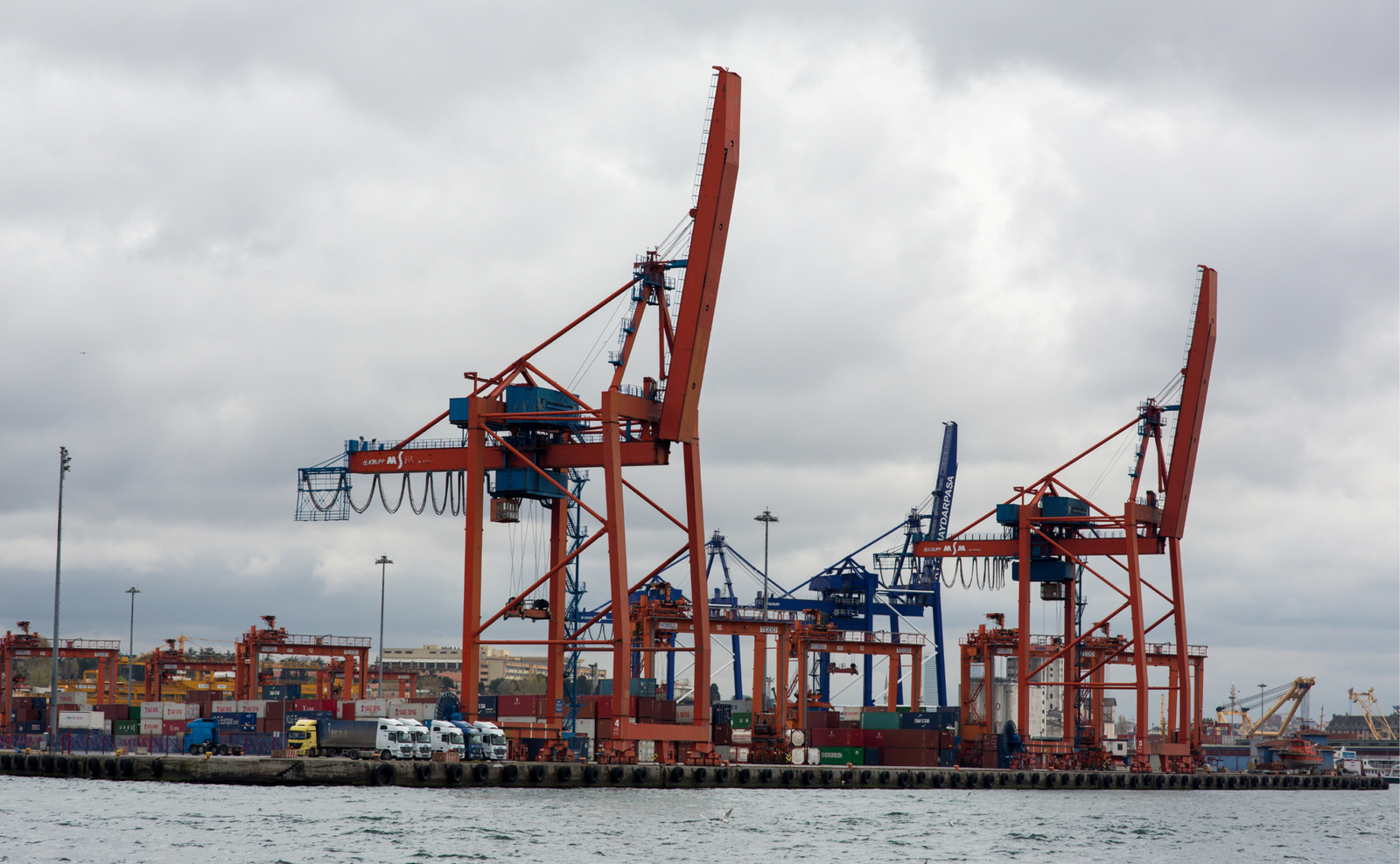
The Kenyan government and private partners have invested heavily in port infrastructure. With 22 operational berths, specialised terminals, rail links, and container handling facilities, the port is actively increasing its capacity to remain ahead of rising demand.
Ongoing expansion plans target a capacity of over 3 million TEUs in the next few years, while digital solutions for cargo clearance and yard management are being progressively rolled out to reduce dwell times and improve turnaround efficiency.
Regional Connectivity and Strategic Importance
Mombasa’s multimodal hinterland links — including rail corridors to Uganda and road networks to the Democratic Republic of Congo — extend its influence deep into the continent. The port’s strategic location on the Indian Ocean also positions it as an important transshipment and alternative routing point, particularly as global supply chains adapt to changes such as Red Sea disruptions.
Regional stakeholders have placed Mombasa at the heart of East Africa’s economic ambitions, citing enhanced trade flows that promote industrialisation and cross-border commerce.
Ongoing Challenges and Competitive Landscape
Despite strong volume growth, Mombasa faces persistent challenges:
- Terminal congestion and equipment bottlenecks that can slow operations.
- Empty container imbalances, currently affecting logistics efficiency across East African corridors.
- Increasing rivalry from neighbouring ports such as Dar es Salaam (Tanzania), which are investing to attract transit traffic.
These factors have intensified pressure on port authorities to accelerate infrastructure upgrades and streamline operations.
The Road Ahead
Mombasa’s outlook remains robust. The port’s role as a primary transit hub for East and Central Africa is expanding, backed by both public and private investment. Continued improvements in efficiency, connectivity, and capacity will be essential to maintain momentum — but the data shows Mombasa is on the path to becoming one of Africa’s most influential maritime gateways.