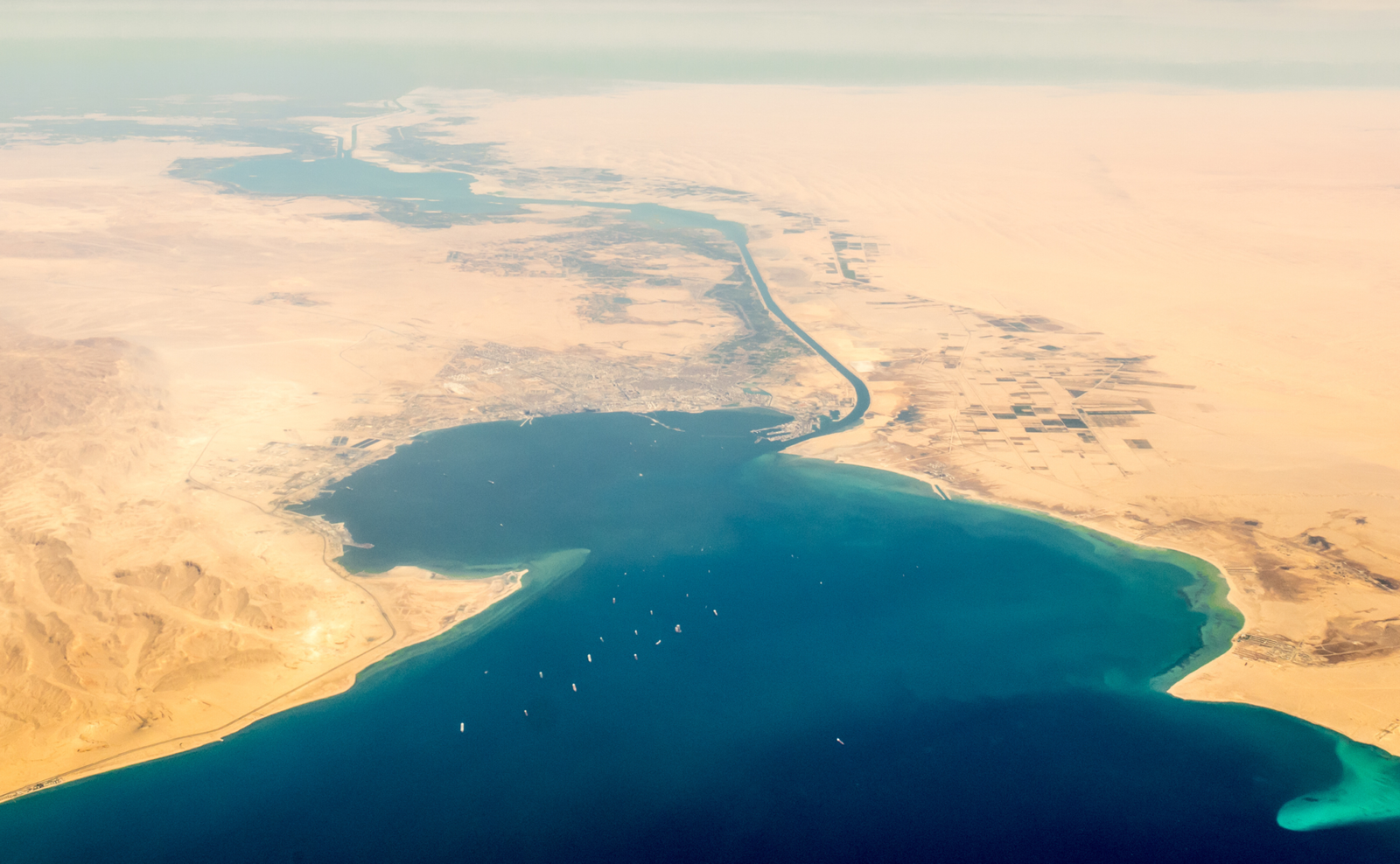
In a significant development for global shipping and trade routes, the mega container vessel CMA CGM SEINE has completed its first transit of the Suez Canal as part of its maiden voyage. The event marks a milestone for one of the world’s largest container ships and signals renewed maritime confidence in the strategic waterway that connects Europe with Asia.
The vessel — owned and operated by French shipping giant CMA CGM — sailed northbound through the Suez Canal on 29 January 2026, carrying approximately 250,000 tonnes of cargo. At around 399 metres in length with a capacity nearing 23,876 twenty-foot equivalent units (TEUs), the CMA CGM SEINE is among the largest container ships active on international trade routes today.
Strategic Waterway Reaffirmed
Admiral Ossama Rabie, Chairman of the Suez Canal Authority (SCA), emphasized that the successful transit reinforces the canal’s readiness to safely manage ultra-large vessels and reflects growing global confidence in its operational capabilities. The transit was supported by enhanced navigational procedures, including senior pilot guidance, tug assistance, and real-time traffic monitoring.
The ship began its journey in Morocco, bound for Malaysia, highlighting the Suez Canal’s ongoing significance for East-West trade flows. The canal remains a vital link for maritime routes connecting Europe, Africa, and Asia, and its continued use by mega-boxships underscores its operational importance for the industry.
Industry Context
Since late 2025, the Suez Canal has witnessed an increasing number of large container vessels crossing its waters, with CMA CGM deploying more of its high-capacity units as part of established services like FAL3 — which serves Europe–Far East trade lanes. Shipping lines have been gradually returning to Suez routes following past disruptions in global corridors, and this maiden transit serves as another positive sign of renewed confidence.
The successful maiden transit of the CMA CGM SEINE highlights the Suez Canal’s enduring role in global supply chains. As shipping lines reassess routes and maritime demand evolves, such transits by ultra-large container vessels can serve to enhance capacity and efficiency across key corridors — particularly those linking Africa, Asia, and Europe.