On 14 February 2026, China officially announced the elimination of customs duties on imports from 53 African countries, effective 1 May 2026, marking a historic turning point in China–Africa economic relations. This decision expands duty-free access to nearly the entire continent and reinforces China’s long-standing position as Africa’s largest trading partner.
According to the General Administration of Customs of China, total trade between China and Africa reached $282.1 billion in 2023, compared to just $10.6 billion in 2000, reflecting more than 26-fold growth in two decades. African exports to China accounted for approximately $173 billion, while Chinese exports to Africa totalled $109 billion.
Oil Remains Africa’s Largest Export to China
Africa’s exports to China remain heavily dominated by energy. Crude oil alone represented approximately $92 billion, or 53% of all African exports to China. Angola was the single largest exporter, shipping more than $52 billion worth of oil, with China purchasing nearly 40% of Angola’s production.
Nigeria also played a key role, exporting approximately $19 billion in oil and liquefied natural gas, making China one of its most important energy customers. These figures demonstrate China’s critical dependence on African energy to sustain its industrial and economic growth.
Strategic Minerals Represent $52 Billion in Exports
Minerals are the second most important category, representing approximately $52 billion in exports. The Democratic Republic of Congo exported approximately $28 billion worth of cobalt and copper, supplying nearly 70% of global cobalt production, a resource essential for electric vehicle batteries and renewable energy storage.
South Africa exported approximately $34 billion in iron ore, platinum, and manganese, reinforcing its role as one of China’s most important mineral partners. Zambia also contributed significantly, exporting approximately $8.5 billion in copper, which is essential for global electrical and industrial supply chains.
Agricultural Exports Still Limited but Growing
Agricultural exports remain relatively modest, totalling approximately $6.5 billion, but they represent one of Africa’s fastest-growing opportunities. Ghana exported approximately $2.7 billion, mainly cocoa and minerals, while Kenya exported approximately $340 million, primarily tea, coffee, and avocados. Ethiopia exported approximately $410 million, including agricultural products and textiles.
With tariff barriers removed, these sectors are expected to expand significantly, as China imports over $12 billion worth of agricultural products globally each year, offering strong growth potential for African exporters.
China Exports $109 Billion in Manufactured Goods to Africa
China’s exports to Africa reached approximately $109 billion, dominated by industrial and manufactured goods essential to Africa’s development. Machinery represented the largest category at $38 billion, followed by electronics at $21 billion, vehicles at $19 billion, construction materials at $12 billion, and textiles and consumer goods at approximately $19 billion.
China currently supplies approximately 52% of Africa’s electronics imports and 45% of machinery imports, making it a central supplier to African logistics, construction, and industrial sectors.
Morocco Positioned Among the Key Beneficiaries
Countries with industrial capacity and advanced logistics infrastructure are expected to benefit the most. Morocco exported approximately $1.2 billion worth of goods to China, including fertilizers, automotive components, and food products.
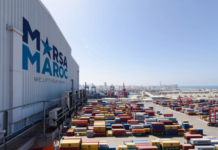
Its main logistics hub, Tanger Med Port, handled 8.6 million containers in 2023, making it the largest container port in Africa. Combined with Morocco’s strong industrial base and fertilizer exports exceeding $6 billion globally, tariff elimination could significantly increase Morocco’s exports to China.
Tariff Elimination Removes Up to 17% in Costs
Before this policy, African exporters faced tariffs ranging from 5% to 17%. For example, goods valued at $10 million would incur between $500,000 and $1.7 million in customs duties. With tariffs now reduced to zero, African products will become significantly more competitive in the Chinese market, improving margins and export volumes.
African Export Growth Could Increase by $50 Billion
Experts estimate that tariff removal could increase African exports to China by 15% to 18% annually, generating an additional $40 billion to $50 billion in exports within the next five years. This growth will directly benefit African ports, logistics providers, freight forwarders, and exporters.
Major logistics hubs such as Tanger Med, Durban, Lagos, and Mombasa are expected to see increased container traffic and trade volumes.
A Strategic Turning Point for Africa’s Role in Global Supply Chains
China’s decision represents more than a simple trade measure. It is a strategic move to strengthen supply chain partnerships and secure access to critical resources while offering Africa an opportunity to accelerate industrialisation and diversify exports.
If current trends continue, China–Africa trade could exceed $350 billion by 2030, confirming this corridor as one of the most important supply chain routes globally.
For African countries with strong logistics infrastructure and industrial capacity, this policy could mark the beginning of a new export-driven growth phase.