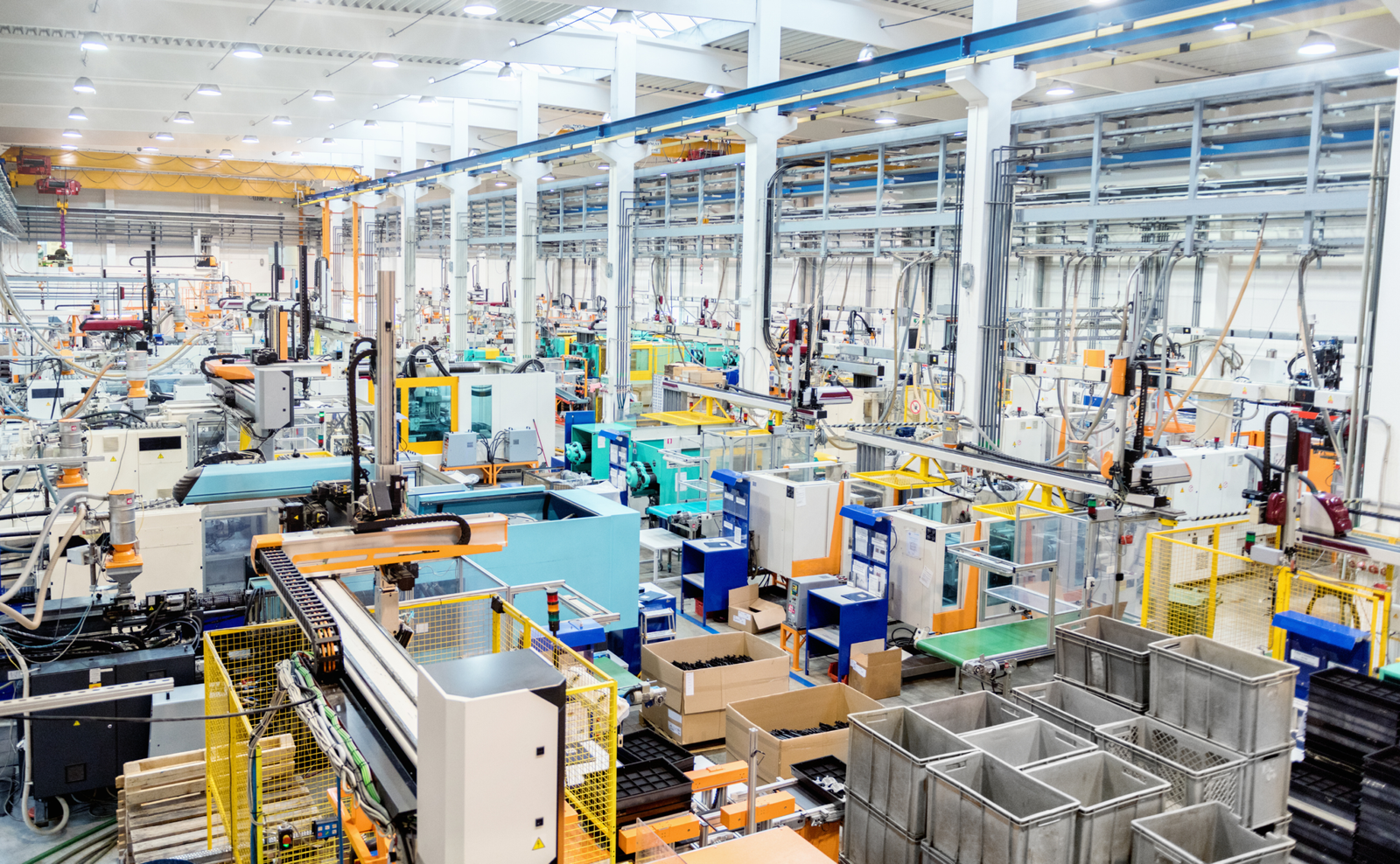
Africa is accelerating its transition toward production sovereignty, as countries invest in local manufacturing to reduce dependence on imports and capture more value within the continent’s supply chains.
This industrial shift is strongly supported by the African Continental Free Trade Area (AfCFTA), which connects 1.3 billion consumers and represents a combined GDP of over $3.4 trillion, creating the scale necessary for African manufacturing to grow competitively, as per the AfCFTA Secretariat official framework.
Here is a country-by-country overview of the leaders driving Africa’s production sovereignty.
Morocco: Africa’s Leading Automotive and Fertilizer Production Hub
Morocco has emerged as one of Africa’s most advanced industrial economies, particularly in automotive, fertilizers, and pharmaceuticals.
Morocco produces approximately 700,000 vehicles annually, making it the largest automotive exporter in Africa, with automotive exports exceeding €14 billion ($15 billion) in 2024, as per Morocco’s Ministry of Industry and Trade annual report.
Major manufacturers operating in Morocco include Renault Group and Stellantis, both using Morocco as a strategic export base serving Europe and Africa.
In fertilizers, Morocco plays a global leadership role through OCP Group, which produces approximately 50 million tons of fertilizers annually and exports to more than 160 countries, as per OCP Group’s official annual report.
Morocco also produces over 70% of its pharmaceutical needs locally, strengthening national and regional health supply sovereignty.
Nigeria: Non-Oil Export Production Hits Historic Record
Nigeria is accelerating its production sovereignty strategy by increasing processed and industrial exports.
Nigeria recorded $6.1 billion in non-oil exports in 2025, the highest level ever officially documented, as per the Nigerian Export Promotion Council (NEPC).
Major export products include:
-
Fertilizers
-
Processed agricultural goods
-
Sesame seeds
This reflects Nigeria’s effort to reduce reliance on crude oil exports and strengthen industrial value-added production.
Egypt: Manufacturing Expansion Through Strategic Industrial Zones
Egypt is strengthening production sovereignty through its large industrial infrastructure, particularly the Suez Canal Economic Zone.
Egypt attracted $3.2 billion in manufacturing investments in 2025, targeting sectors including electronics, automotive, and textiles, as per the Suez Canal Economic Zone Authority official investment report.
These industrial zones are positioning Egypt as a regional manufacturing hub linking Africa, the Middle East, and Europe.
South Africa: Advanced Automotive and Industrial Manufacturing Base
South Africa remains one of Africa’s largest manufacturing economies.
The country produces approximately 600,000 vehicles annually, with automotive exports valued at over $12 billion, as per the South African Automotive Business Council official statistics.
Global manufacturers including BMW, Toyota and Ford operate production facilities in the country.
South Africa’s industrial base plays a key role in regional supply chains across Southern Africa.
Kenya: Pharmaceutical and Consumer Goods Production Accelerates
Kenya has significantly expanded its manufacturing capacity under its national Buy Kenya, Build Kenya strategy.
Local manufacturing contribution increased from 34% to 52% between 2020 and 2025, as per Kenya’s Ministry of Industrialisation and Trade official report.
Kenya is prioritising local production of:
-
Pharmaceuticals
-
Processed food
-
Consumer goods
This supports national and regional supply chain resilience.
Continental Strategic Target: Pharmaceutical Sovereignty by 2040
Africa’s production sovereignty strategy includes major commitments in healthcare manufacturing.
African leaders have committed to producing 60% of the continent’s pharmaceutical needs locally by 2040, as per the Africa CDC and African Union Presidential Declaration adopted in Addis Ababa in 2025.
Currently, Africa imports between 70% and 90% of its medicines, highlighting the importance of this industrial strategy.
Africa’s Industrial Transformation Is Now Underway
Africa’s production sovereignty is no longer a future ambition — it is actively happening.
Countries like Morocco, Nigeria, Egypt, South Africa, and Kenya are building strong industrial bases and exporting finished goods to global markets.
Morocco, in particular, has become one of Africa’s most advanced production platforms, supplying automotive, fertilizer, and pharmaceutical products worldwide.
With AfCFTA accelerating continental integration, Africa’s manufacturing capacity is expected to expand significantly in the coming decade.
Africa is transitioning from a raw material exporter to a global production player.