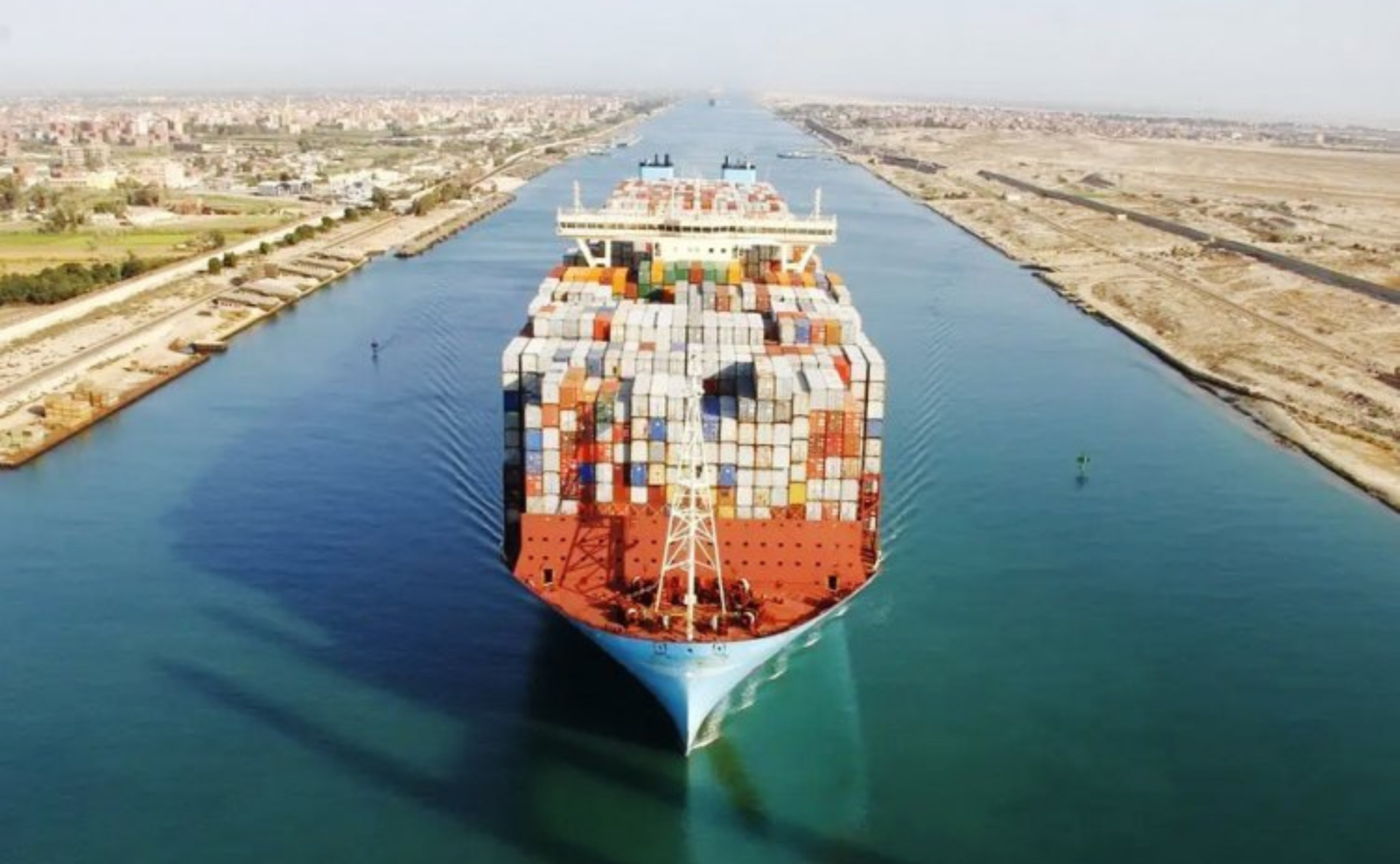
Suez Canal is experiencing a significant decline in vessel traffic, with volumes dropping by more than 40% since late 2023, as ongoing security risks in the Red Sea continue to disrupt one of the world’s most critical maritime trade routes.
The Suez Canal typically handles around 12% of global trade and over 20,000 vessels annually, but major shipping lines have rerouted vessels via the Cape of Good Hope to avoid potential threats. This shift has increased transit times by 10 to 15 days and raised global shipping costs significantly.
For African supply chains, the impact is twofold. While North African ports face reduced traffic and revenue losses, countries along the Atlantic coast are experiencing increased maritime activity due to rerouted vessels. At the same time, importers across Africa are dealing with higher freight rates and longer delivery times.
The ongoing disruption highlights the vulnerability of global trade routes and reinforces the strategic importance of alternative corridors. For Africa, this situation could accelerate investments in regional logistics infrastructure and strengthen the role of Atlantic-facing ports in global supply chains.