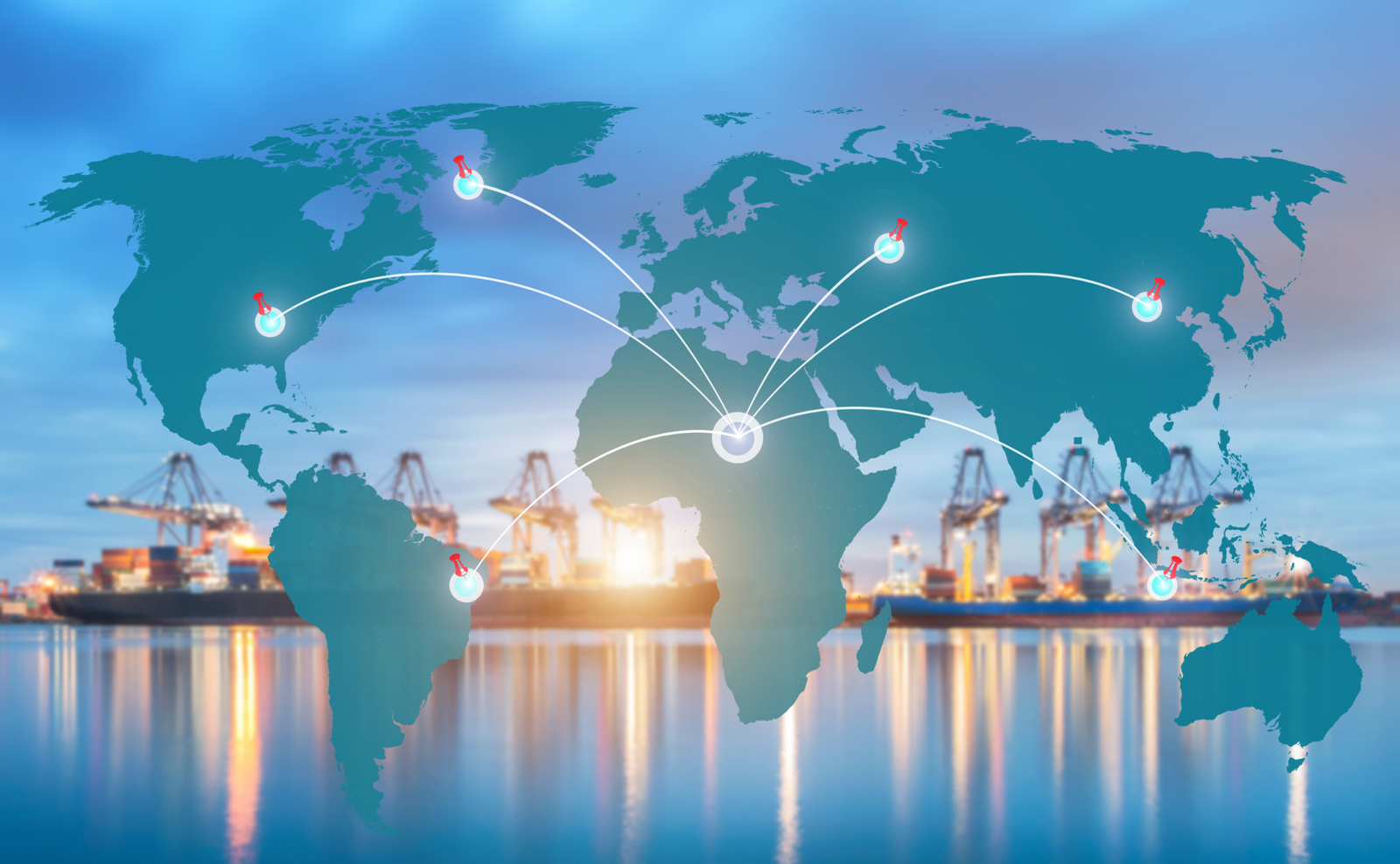
Africa exported approximately $614.6 billion worth of goods to the world, confirming its strategic role in global supply chains — but the composition of these exports reveals both strength and vulnerability.
While the continent is rich in natural resources, the real story lies in which countries export the most, what products dominate, and where Africa’s supply chains are heading next.
The Top Exporting Countries Driving Africa’s Trade
Just five countries generate nearly half of Africa’s total exports.
South Africa leads the continent, exporting approximately $145.2 billion, with a diversified portfolio that includes vehicles ($28B), minerals ($26B), and platinum ($22B). It remains Africa’s most industrialised export economy.
Nigeria follows with $132.8 billion, but its export profile remains heavily dependent on oil, which alone accounts for $110 billion, representing over 80% of its export revenues.
Algeria exported $104.5 billion, primarily hydrocarbons, including $78 billion in crude oil and $19.7 billion in natural gas, reinforcing North Africa’s role as a global energy supplier.
Morocco continues its industrial rise, exporting approximately $92.6 billion, led by automotive exports ($40B) and fertilizers ($18B). Morocco’s logistics infrastructure, particularly Tanger Med, plays a critical role in enabling this growth.
Egypt exported $77.4 billion, combining petrochemicals ($30B), agricultural products, and industrial goods, positioning itself as a diversified export hub linking Africa, Europe, and the Middle East.
Together, these five countries represent the backbone of Africa’s global export system.
Oil Still Dominates — But Change is Emerging
Africa’s export engine remains largely resource-driven.
Energy exports alone generated approximately $280 billion, representing nearly 46% of total African exports.
Minerals followed with $145 billion, driven by global demand for strategic resources such as cobalt, copper, gold, and platinum.
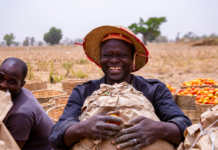
Agriculture contributed $85 billion, led by cocoa from Côte d’Ivoire and Ghana, tea from Kenya, and coffee from Ethiopia.
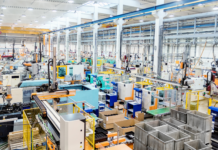
However, the most important shift is happening in manufacturing, which now represents approximately $104 billion, driven by automotive production in Morocco and South Africa, and textile exports from Egypt and Tunisia.
This shift signals Africa’s gradual transition from a raw material exporter to an industrial trade participant.
Where Africa Ships Its Goods
Africa’s exports flow primarily toward three major global markets.
Europe remains the largest destination, absorbing approximately $198 billion in African exports.
China follows closely with approximately $176 billion, driven by demand for energy and minerals.
The United States imported approximately $39.5 billion, primarily energy products and agricultural goods.
At the same time, intra-African trade is accelerating rapidly, reaching $220 billion in 2024, driven by the African Continental Free Trade Area (AfCFTA), which is beginning to reshape regional supply chains.
The Strategic Challenge: Export More Than Raw Materials
Despite strong export volumes, Africa still faces a structural challenge.
Nearly 74% of exports remain raw or semi-processed commodities, leaving African economies exposed to global price volatility.
The countries best positioned for the future are those investing in:
• Industrial production
• Logistics infrastructure
• Export manufacturing
• Supply chain integration
Morocco, Egypt, Kenya, and South Africa are leading this transformation.