Africa is one of the richest continents in the world in terms of mineral reserves and extractive resources. According to United Nations and World Bank sources, the continent holds approximately 30 % of the world’s mineral reserves — including some of the largest global deposits of critical and strategic minerals used in energy, technology, and industrial supply chains.
Key figures include:
-
30 % of global proven mineral reserves.
-
40 % of the world’s gold reserves.
-
Up to 92 % of the world’s platinum group metal reserves.
-
56 % of global cobalt reserves.
-
54 % of global manganese reserves.
-
8 % of global natural gas and 12 % of global oil reserves.
The continent also boasts significant reserves of diamonds, bauxite, chromite, uranium, lithium, and rare earth elements, making it strategically vital for both traditional and future-oriented industries such as clean energy and electronics.
Democratic Republic of the Congo: World’s Cobalt Powerhouse
The Democratic Republic of the Congo (DRC) is Africa’s most critical mineral producer thanks to its dominant share of global cobalt reserves. The DRC accounts for nearly 48 % of the world’s total cobalt reserves (around 4 million tonnes) and produces about 70 % of global cobalt output, a mineral essential for lithium-ion batteries in electric vehicles and renewable energy storage.
DRC also has large deposits of copper (used in electrical wiring and renewable tech) and industrial diamonds. Mining here is dominated by international and regional companies, including:
-
Glencore (copper and cobalt)
-
China Molybdenum Co. (Tenke Fungurume copper/cobalt mine)
-
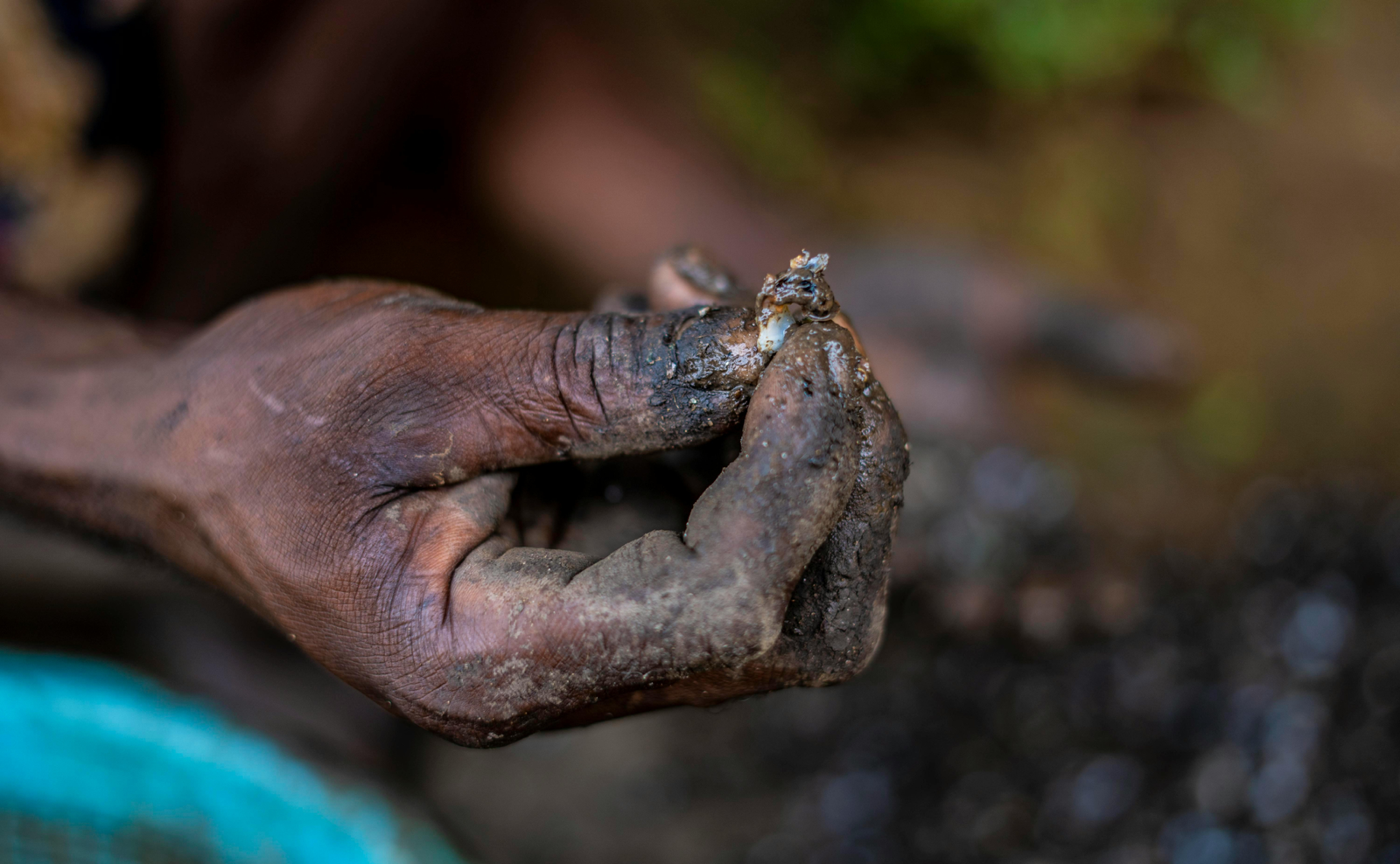
Various artisanal mining operations for cobalt, copper, and diamonds
DRC’s minerals are typically exported in raw or semi-processed form, although there is increasing pressure for local value addition.
South Africa: Diversified Mineral Giant
South Africa holds some of the most valuable and diverse mineral reserves globally, estimated at over US $2.5 trillion in total value. It ranks among the top producers in:
-
Platinum group metals (~88 % of global reserves).
-
Manganese (~80 % of global reserves).
-
Chromite (~72 % of global reserves).
-
Gold (top global producer historically).
-
Significant shares in vanadium, zirconium, iron ore, coal and uranium reserves.
Large mining companies operating in South Africa include:
-
Anglo American (PGMs, iron ore)
-
Impala Platinum (Implats)
-
Sibanye Stillwater
-
Exxaro Resources
South Africa’s minerals feed critical industrial supply chains, from automotive catalysts to steelmaking.
Guinea: Bauxite & Aluminum Feedstock
Guinea is the world’s largest producer of bauxite, a key ore for aluminum production. It accounts for over 90 % of Africa’s bauxite output, making it a crucial player in global supply chains for lightweight materials used in aerospace, construction, and transportation.
Major international mining companies in Guinea’s bauxite sector include:
-
Rio Tinto (Simandou project)
-
Alcoa and Halamine partnerships
-
CBG (Compagnie des Bauxites de Guinée)
Bauxite exports are primarily sent to refineries in Asia and Europe.
Ghana: Gold & Mineral Mix
Ghana is one of Africa’s leading gold producers, with significant contributions to global gold markets. It is also an important source of bauxite, manganese and diamonds.
Mining players in Ghana include:
-
Newmont Goldcorp
-
AngloGold Ashanti
-
Golden Star Resources
These private and international firms contribute significantly to Ghana’s export revenue, though environmental and community issues remain critical concerns.
Zambia and Angola: Copper Expansion
Zambia and Angola are major copper producers in the region. Zambia, with projects such as Kansanshi and Lumwana, is a cornerstone of global copper supply. Angola’s Tetelo copper mine — launched in 2025 with an annual output target of around 25,000 metric tons of copper concentrate — marks the country’s entry into major copper production, diversifying from oil dependence.
Copper is essential for electrical infrastructure and renewable energy components, making these countries strategic for future energy supply chains.
Mozambique, Tanzania and Madagascar: Battery Minerals and Rare Earths
Parts of southern and eastern Africa are becoming key for battery and green tech mineral reserves:
-
Graphite reserves — Mozambique, Madagascar and Tanzania combined hold approximately 69 million tonnes (21 % of global graphite reserves), vital for lithium-ion batteries.
-
Lithium — countries like Zimbabwe, Mali and Namibia collectively have around 4.9 million tonnes of lithium reserves, contributing to EV markets.
-
Rare earth elements — Madagascar and Tanzania hold important reserves, supplying materials used in wind turbines and electronics.
Investment and processing infrastructure remain key challenges to fully capture these resources’ value.
Geographical Distribution & Exploitation
A mineral map of Africa shows deposits distributed across regions, with West Africa rich in gold and bauxite, Central Africa dominated by cobalt and copper, Southern Africa abundant in PGMs and chromium, and East Africa emerging for graphite, gold and rare earths.
Mining operations are typically carried out by multinational corporations, state mining enterprises, and a vibrant artisanal sector. Many raw resources are exported abroad for processing, especially to Asia and Europe, highlighting the need for local value addition to boost industrialisation.