
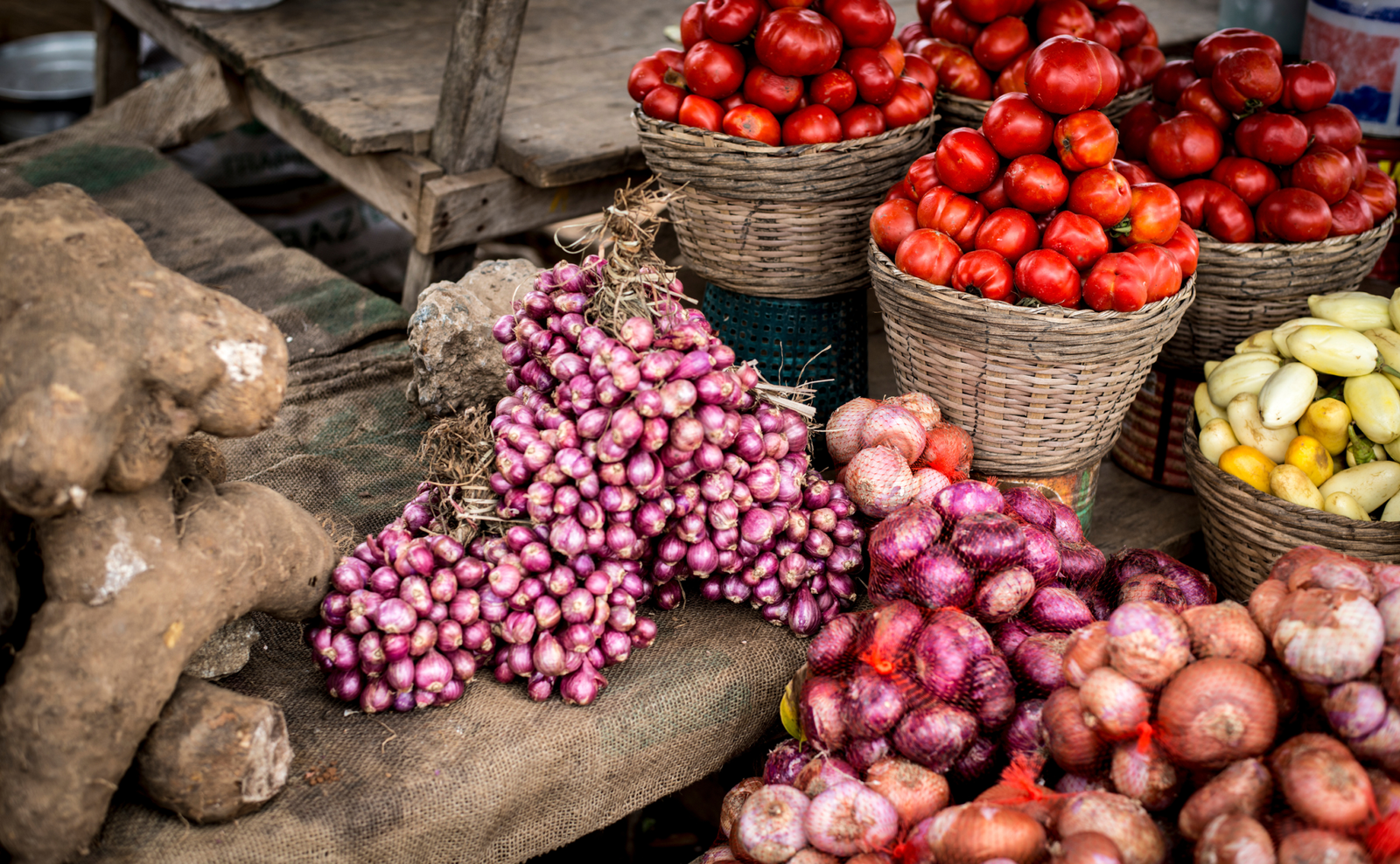
The Government of Senegal has introduced tighter controls on vegetable imports, placing stricter regulations on trade in key products such as onions, potatoes, and carrots, as domestic production levels rise significantly, according to the Ministry of Industry and Trade.
Minister Serigne Guèye Diop said the strategy reflects a broader shift in national food and trade policy, designed to reduce dependence on foreign supplies, strengthen local farmers, and improve food security in the long run.
Increased Local Production and Reduced Imports
Authorities reported that increased agricultural output has allowed Senegal to cover a large share of its domestic demand for root vegetables, enabling more stringent import regulation:
-
Onion production now covers ~75 % of national consumption. As a result, the country went nine consecutive months without importing onions.
-
Onion imports declined to approximately 350 000 tonnes as of early 2026.
-
Carrot supply has relied almost entirely on local production for about ten months.
-
Potato imports have been suspended since January 2026, resulting in nearly 12 months without foreign potato products entering the market.
These statistics indicate a growing capacity within Senegal’s agricultural sector to produce staples that were historically imported, enabling policymakers to tighten import controls without disrupting food availability.
Expansion of Trade Controls to Other Crops
Beyond root vegetables, the government has also extended protective measures to other agricultural products. For example, banana imports have been suspended, with the objective of increasing local supply coverage from three to six months by next year.
Furthermore, the state is enhancing storage capacity—currently estimated at ~170 000 tonnes — to manage supply fluctuations and build buffer stocks.
Broader Context: Senegal’s Food Sovereignty Strategy
These measures align with wider initiatives launched by Senegal to boost agro-industrial activity, add value locally, and reduce import dependency. For instance, in late 2025, the government unveiled a $191.7 million agro-industrial processing zone, aimed at strengthening local production, improving food processing, and reducing reliance on imported food products.
The intensification of domestic vegetable production and the import controls coincides with the government’s national food sovereignty and agricultural development goals. The Institut Sénégalais de Recherche Agricole (ISRA) and other national bodies are tasked with improving cultivation techniques, adapting varieties to local conditions, and boosting yields to support this transition.
Supply Chain and Trade Implications
For stakeholders in West African and Pan-African supply chains, Senegal’s move carries several implications:
-
Reduction in import volumes for staple vegetables may decrease pressure on logistics networks historically used to bring produce from abroad.
-
Greater reliance on domestic distribution and cold-chain systems will require investment in storage, handling, and transport infrastructure.
-
Opportunities for regional trade may increase, as Senegal could evolve from a net importer to a supplier of surplus produce to neighboring markets.
Overall, policy changes reflect growing confidence in Senegal’s agricultural sector and represent a notable pivot toward food security-driven trade policy in West Africa.