From oversized equipment to remote sites, mining logistics reveals the real complexity of moving goods across Africa.
Mining remains one of Africa’s most strategic industries, supplying global markets with critical minerals, metals, and raw materials. Yet behind every mine lies a supply chain that is far more complex than standard freight operations. Mining logistics in Africa is not about moving containers efficiently—it is about moving the impossible to places that are rarely ready to receive it.
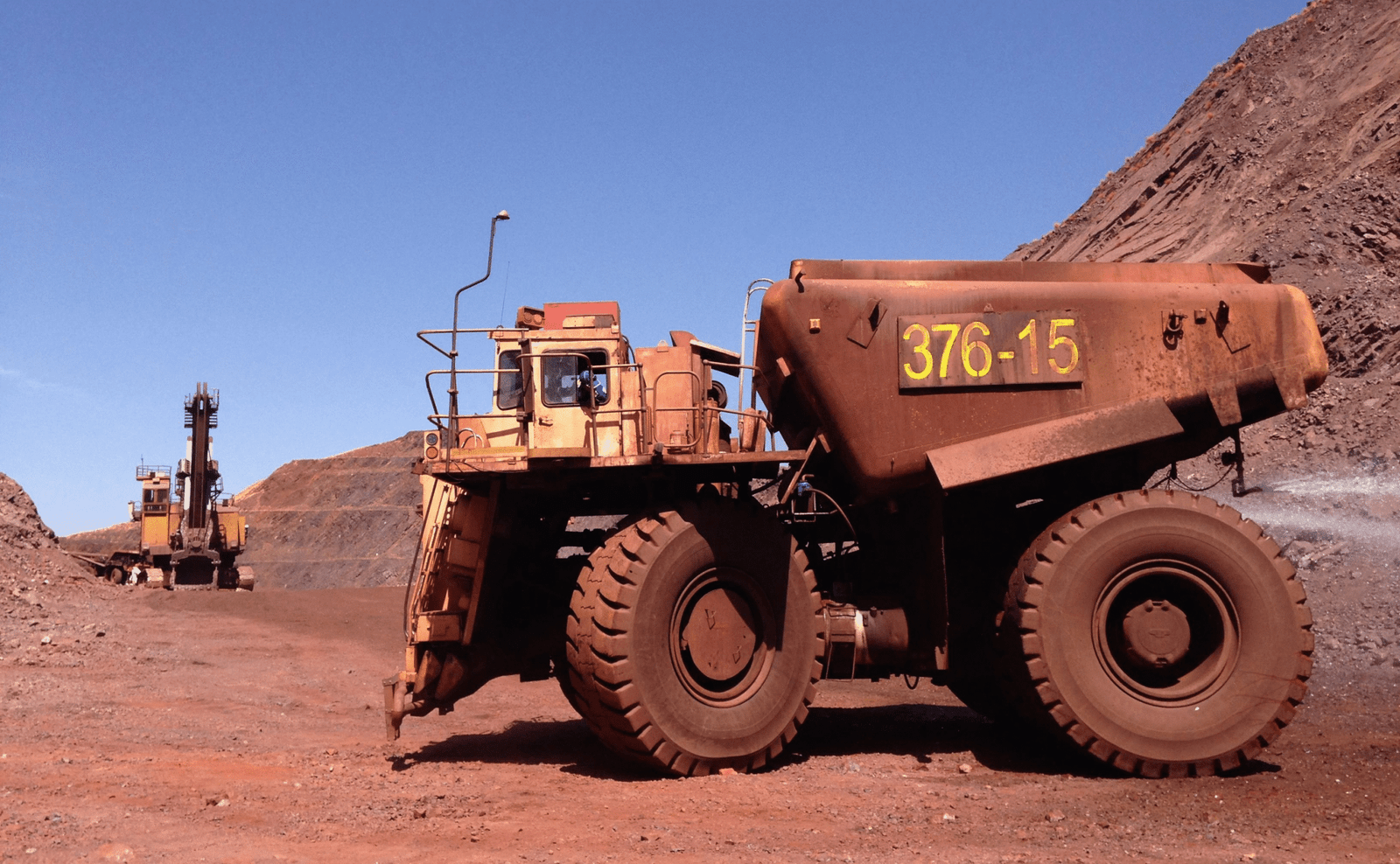
From oversized crushers and processing plants to heavy generators and structural components, mining and project cargo logistics form what can best be described as Africa’s heavy supply chain.
What Makes Mining Logistics Different
Unlike conventional supply chains, mining projects operate on a one-time, high-risk, high-value logic. Equipment is often custom-built, non-standard, and irreplaceable within project timelines.
Logistics planning must consider:
- oversized and overweight cargo,
- non-existent or fragile infrastructure,
- strict delivery sequencing,
- and zero tolerance for delays.
In many African mining regions, ports, roads, and bridges were never designed for such loads. As a result, logistics becomes a core enabler of the project, not a support function.
Ports, Corridors, and the First Bottleneck
Mining logistics often begins at African seaports. While several ports have improved heavy-lift capabilities, congestion, weather exposure, and limited specialized equipment remain recurring challenges.
Once cargo leaves the port, the real test begins. Inland corridors—often crossing multiple regions or borders—become critical risk points. Road conditions, bridge capacity, permits, and security must all be assessed in advance. In some cases, infrastructure reinforcement or temporary bypass construction is required before cargo can even move.
The Role of Project Planning and Engineering
Successful mining logistics in Africa relies heavily on engineering-led planning. Route surveys, lifting studies, escort coordination, and contingency planning are not optional—they are fundamental.
Unlike standard freight, mining cargo cannot be rerouted easily. Every movement is pre-calculated, and every delay has a direct cost impact on project commissioning and production timelines.
This is where logistics providers shift from transport operators to project partners, integrating deeply into the client’s engineering and execution teams.
Risk, Compliance, and Local Reality
Mining projects often operate in remote or politically sensitive areas. Logistics planning must account for:
- regulatory approvals and special permits,
- customs clearance for high-value machinery,
- security and insurance constraints,
- and coordination with local authorities and communities.
Failure at any point can halt an entire project. In this context, local knowledge is as critical as technical expertise.
A Strategic Supply Chain for Africa’s Future
As demand for minerals linked to energy transition, batteries, and infrastructure grows, Africa’s mining sector will attract even larger and more complex projects. This places mining logistics at the center of the continent’s economic future.
The lesson is clear: without robust project cargo logistics, mining investments cannot move from plan to production.
Mining and project cargo logistics is not just heavy transport—it is strategic execution at scale.
SupplyChainAfrika
Insights shaping Africa’s supply chains